
At a Glance
- Broad or vague questions can overload your working memory, making it hard to answer.
- “Why” questions may trigger shame, defensiveness, or avoidance common with ADHD, RSD, and PDA.
- Use direct, curiosity-driven questions that feel optional and low-pressure.
- Break complex questions into steps or provide multiple-choice options.
- Respect autonomy: allow space to decline or redirect the conversation.
- Focus on shared interests and emotional safety over small talk or interrogation-style questions.
- Use memory aids, reminders, or pre-planned phrases to help strategies stick in real-life conversations.
Introduction
Ever been asked, “How was your day?” and felt completely stuck? Or maybe someone asked, “Why didn’t you get that done?” and you immediately wanted to clam up or snap back. You’re not alone, and it’s not laziness or rudeness.
For adults with ADHD, RSD (Rejection Sensitive Dysphoria), or PDA (Pathological Demand Avoidance), these reactions are common. They’re rooted in executive function challenges, nervous system responses, and emotional sensitivity. Understanding why some questions feel overwhelming or triggering can help you navigate conversations with less stress and respond in ways that feel grounded and more manageable.
Even when you understand the strategies, it can be hard to remember them in the moment. Many adults feel motivated to communicate better with partners, children, or colleagues, but struggle to apply these techniques spontaneously. Recognizing this upfront helps you approach practice with patience and realistic expectations.
This post explores how communication interacts with thinking, why certain questions are tricky, and practical strategies for everyday life, whether at work, home, or with friends. You’ll also find memory-friendly tips to help these strategies stick.
The Connection Between Thinking, Communication, and Your Nervous System
To make sense of why certain questions feel overwhelming or triggering, it helps to understand how your brain and body work together when you communicate.
Cognition: What Your Brain Is Doing
When someone asks a question, your brain isn’t just “answering words.” It’s juggling several tasks at once:
- Working Memory: Holding the question in your mind while retrieving relevant experiences or facts.
- Organization and Planning: Choosing what to say first, what details matter, and how to string thoughts together.
- Attention and Focus: Filtering distractions and staying on topic, especially in dynamic conversations.
For adults with ADHD or executive function differences, any of these steps can be more effortful. A broad question like “How was your day?” asks your brain to do all three at once and that overload can feel paralyzing.
Emotion and Nervous System: How Your Body Responds
Your brain is tightly connected to your nervous system, which regulates your body’s response to perceived threats. Even harmless questions can trigger:
- Fight-or-Flight Response: Heart rate increases, muscles tense, and attention narrows.
- Freeze Response: Mental blanking or avoidance, especially when a question feels critical.
- Heightened Emotional Sensitivity: Shame, fear of judgment, or defensiveness, common in RSD.
When this happens, your brain’s executive function, already under strain, can temporarily shut down, making it harder to respond calmly or clearly. It’s not about being “lazy” or “difficult”; it’s a real, automatic biological response.

How Cognition and the Nervous System Work Together
Think of it like a traffic intersection in your brain:
- Executive function is the traffic director, organizing cars (thoughts) so they move smoothly.
- The nervous system is like the weather: a sudden storm (stress or perceived threat) can disrupt the flow.
- When stress spikes, traffic jams appear, thoughts freeze, and communication feels blocked.
This explains why questions that feel simple to someone else, like “Why didn’t you do that?” can feel overwhelming, unfair, or even threatening to you.
What This Means for Everyday Conversations
Understanding this connection helps you see your reactions as normal and predictable, not personal failures. It also informs practical strategies:
- Simplify Cognitive Load: Break questions into smaller steps or provide options.
- Lower Nervous System Stress: Use curiosity, humor, and optional phrasing to signal safety.
- Respect Autonomy: Giving choice reduces the perception of threat, letting your brain respond more freely.
By keeping both cognition and nervous system responses in mind, you can approach conversations in a way that protects your mental bandwidth and emotional safety, helping you stay engaged instead of shutting down.
Overwhelm & Executive Function
Why Some Questions Are Hard to Answer
Executive function is your brain’s planning and organization system. It helps you retrieve memories, prioritize information, and organize responses. When your brain struggles with executive function, broad or vague questions like “How was your week?” suddenly become overwhelming:
- You have to remember multiple events or tasks.
- Decide what’s important or interesting.
- Organize your answer into something coherent, all in real time.
This is cognitively demanding, and when your brain can’t process it quickly, it’s common to freeze, give short answers, or avoid responding.

Fact-based insight: Research on ADHD shows that working memory overload often contributes to stress, shutdowns, or defensive reactions during conversations.
Practical Strategies
Fact-based insight: Research on ADHD shows that working memory overload often contributes to stress, shutdowns, or defensive reactions during conversations.
1. Break Questions Into Smaller Steps
Instead of asking, “How was your day?” try:
“What’s one thing that went well today?”
“Did anything surprise you at work or home?”
2. Focus on One Topic at a Time
Instead of multiple overlapping questions:
“What was your favorite part of today?”
3. Use Multiple-Choice or Guided Prompts
Example:
“Did you spend more time on work, a hobby, or socializing today?”
Memory-Friendly Tip:
Keep a short “cheat sheet” of go-to prompts on your phone or sticky note for quick reference when conversation feels overwhelming. Even glancing at one phrase can reduce stress and increase follow-through.
Adult Example
IAt home with a partner or child, instead of: “Tell me about your entire week,” try:
“What’s one highlight from your week?”
Breaking questions into manageable pieces helps reduce overwhelm and increases engagement.
Talking Without Triggers
Understanding RSD and PDA
Some reactions to questions aren’t just about executive function; they’re about emotional sensitivity.
- RSD (Rejection Sensitive Dysphoria): Intense fear of criticism or embarrassment can make even simple questions feel threatening.
- PDA (Pathological Demand Avoidance): Resistance to perceived demands may surface as avoidance or defensiveness.
Both involve a nervous system defense response; your body perceives a threat and reacts with fight, flight, or freeze. Understanding this response as biological, not personal, can be liberating.
Practical Strategies
1. Avoid “Why” Questions
Replace “Why didn’t you do that?” with
“What helped you decide to…?”
2. Use Curiosity and Action-Based Questions
“What was the most interesting part of your day?”
“What’s one thing you learned or tried today?”
3. Respect Autonomy
Give space to decline:
“You don’t have to answer if it feels annoying, but I’m curious…”
Allow redirection:
“If you’d rather talk about something else, that’s fine too.”
Adult Example (Family or Partners):
Instead of: “Why are you late?”
Try:
“I noticed you got home a bit later than usual. Was traffic a problem or did something else come up?”
Memory-Friendly Tip:
Practice a few pre-planned phrases for partners and family. Repeating them over time makes it easier to recall in real-life interactions when stress or defensiveness is high.
Asking Questions Without Triggering Defense Mode
Nervous System and Psychology
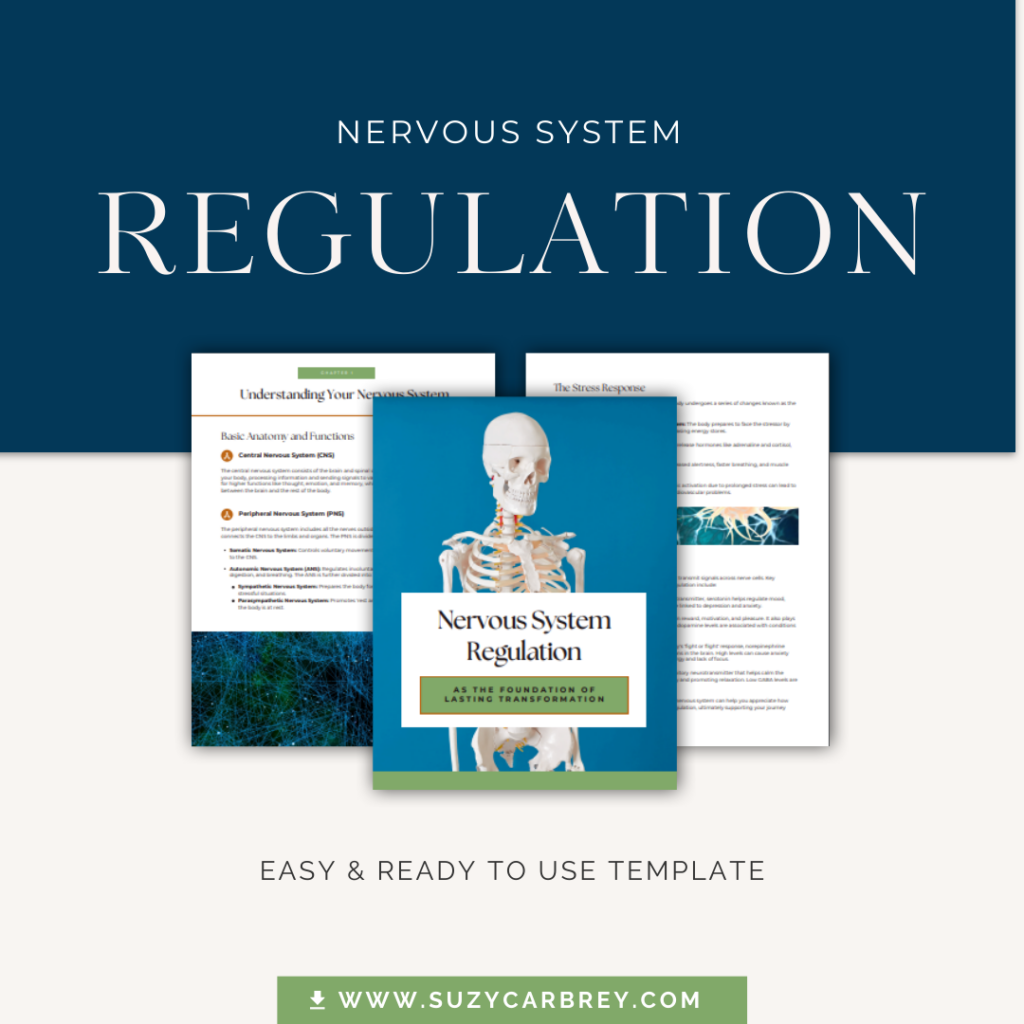
Your nervous system reacts automatically to perceived threats. Even well-meaning questions can trigger:
- Increased heart rate
- Muscle tension
- Mental shutdown
Combine this with executive dysfunction, and thoughtful responses feel nearly impossible. Knowing this isn’t laziness, it’s biology, can be validating.
Practical Strategies
- Gentle Prompts
- “I’d love to hear your thoughts if you feel like sharing.”
- Make Responses Optional
- “You don’t have to answer now, we can talk later if you like.”
- Use Humor or Playful Phrasing
- “Tell me your top-secret adventure today, bonus points if it involved dragons.”
- Offer Multiple-Choice or Collaborative Paths
- “Do you want to talk about work, a hobby, or something else?”
General Example:
- Before: “Why didn’t you start your homework/project?”
- After: “I’m curious, did you start with task A, B, or C today?”
Memory-Friendly Tip:
Use “conversation cues” in your environment. For example, sticky notes on your desk, phone reminders, or a small card in your wallet with 3–4 go-to phrases can jog your memory in real time.
Rethinking Communication: Lessons from PDA and RSD
Shift From Interrogation to Collaboration
Communication is about connection, not compliance. For adults with PDA or RSD, even casual questions can feel threatening if framed as tests or demands. Reframing questions with curiosity, autonomy, and shared interests creates engagement and reduces stress.
Encouraging Emotional Safety
- Prioritize choice and control over obligation.
- Focus on topics of genuine interest.
- Recognize silence or avoidance as a signal, not failure.

Practical Tips for Everyday Life
- Start with shared experiences: “I tried a new coffee shop today. What’s one small thing you tried that made you smile?”
- Use interest-based hooks: Start conversations with topics they genuinely enjoy.
- Normalize pauses: Give time to process before expecting a response.
- Check in emotionally: “Would now be a good time to chat, or later?”
Memory-Friendly Tip:
Pair this with a brief reflection routine. At the end of the day, jot down 1–2 successful interactions and which strategies worked. Over time, your brain remembers them more easily in real-life moments.
Practical Ways to Make It Stick
Even the best strategies aren’t helpful if you can’t remember them during a conversation.
- Visual Cues: Keep sticky notes, phone reminders, or a small reference card with your favorite phrases.
- Practice in Low-Stress Moments: Role-play with a friend or partner, or rehearse mentally before bedtime.
- One Step at a Time: Don’t try to use every strategy at once. Pick one approach for each conversation.
- Self-Compassion: If you forget, that’s normal. Notice it, reset, and try again.
Reflect After Conversations: Write down which strategies worked and which didn’t. This reinforces learning and memory.
Conclusion
Communication doesn’t have to be stressful or triggering for adults with executive function challenges, ADHD, RSD, or PDA. Understanding executive function, emotional sensitivity, and nervous system responses allows for conversations that feel safe and collaborative.
Remember:
- Broad, vague, or “why” questions can overwhelm or trigger defense.
- Break questions into steps, offer guided prompts, and focus on interests.
- Respect autonomy and make responding optional.
- Use gentle, playful, and collaborative phrasing to encourage engagement.
- Prioritize connection and emotional safety over small talk or interrogation.
- Use memory aids, pre-planned phrases, and reflection to make strategies stick.
By applying these strategies, conversations become opportunities for connection, understanding, and collaboration rather than stress or avoidance. Over time, with repetition and small reminders, these approaches become second nature, improving your relationships at home, work, and beyond.
Learn more with Online Coaching for Executive Functioning / ADHD
Ready to gain control and enhance your executive functioning? As an experienced and compassionate coach, I specialize in providing support for executive functioning and ADHD. To embark on your journey, please reach out to me at 708-264-2899 or email hello@suzycarbrey.com to schedule a FREE 20-minute discovery call consultation.
With a background as a speech-language pathologist, I have a strong foundation in executive functioning coaching. My graduate degree program in SLP placed a significant emphasis on cognition, including executive functions, and I have years of experience in medical rehabilitation, providing cognitive-communication therapy. Additionally, I have completed an ADHD Services Provider certification program, I am Solutions-Focused Brief Therapy Diamond Level 1 certified and I am trained in the Seeing My Time® executive functioning curriculum.
Experience the convenience and effectiveness of online coaching, backed by studies that demonstrate equal results to in-person services. Parents, professionals, and emerging adults love the convenience and privacy of receiving coaching from their own homes.
Whether you reside in Chicago, Milwaukee, Indianapolis, Kansas City, or anywhere else around the globe, I am here to assist you. Schedule your discovery call consultation today, and I eagerly anticipate the opportunity to work with you!
Please note that although I am a certified speech-language pathologist, all services Suzy Carbrey LLC provides are strictly coaching and do not involve clinical evaluation or treatment services. If you require a formal speech therapy evaluation and treatment, please inform me, and I can provide appropriate recommendations.