The start of a new year often stirs up mixed feelings. There is hope, energy, and maybe a touch of excitement about what could change. There is also pressure, expectation, and fatigue from trying to do everything “better” than before.
For adults with ADHD or executive functioning challenges, that pressure to “start strong” can backfire. The problem is not a lack of motivation or discipline. The challenge lies in the executive functioning skill of task initiation. The brain resists beginnings. It overestimates the energy required, underestimates the satisfaction of progress, and gets caught in loops of self-talk that reinforce avoidance.
If you have ever caught yourself thinking, I just need to start, but still did not, this post is for you. Task initiation is a skill that can be practiced, and self-talk is one of the most powerful tools you have to support it.
The invisible weight of starting
Before building the skill, it helps to understand why starting often feels so heavy.
For a neurodivergent brain, task initiation is not just deciding to do something. It is a series of micro-steps that involve choosing what to do, when to begin, how to begin, and what sequence to follow. When that system is overloaded or under-stimulated, it is like asking a car to accelerate while the parking brake is on. You might have every intention to move forward, but the system simply will not engage.
Many people describe it as a wall, an invisible barrier between wanting to act and being able to act. That wall can be built from unclear direction, lack of novelty, perfectionism, decision fatigue, or a tired brain that is struggling to transition.
Understanding that this resistance is not laziness but a brain-based barrier can shift the entire emotional tone of how you approach beginnings.
Why small starts matter more than big leaps
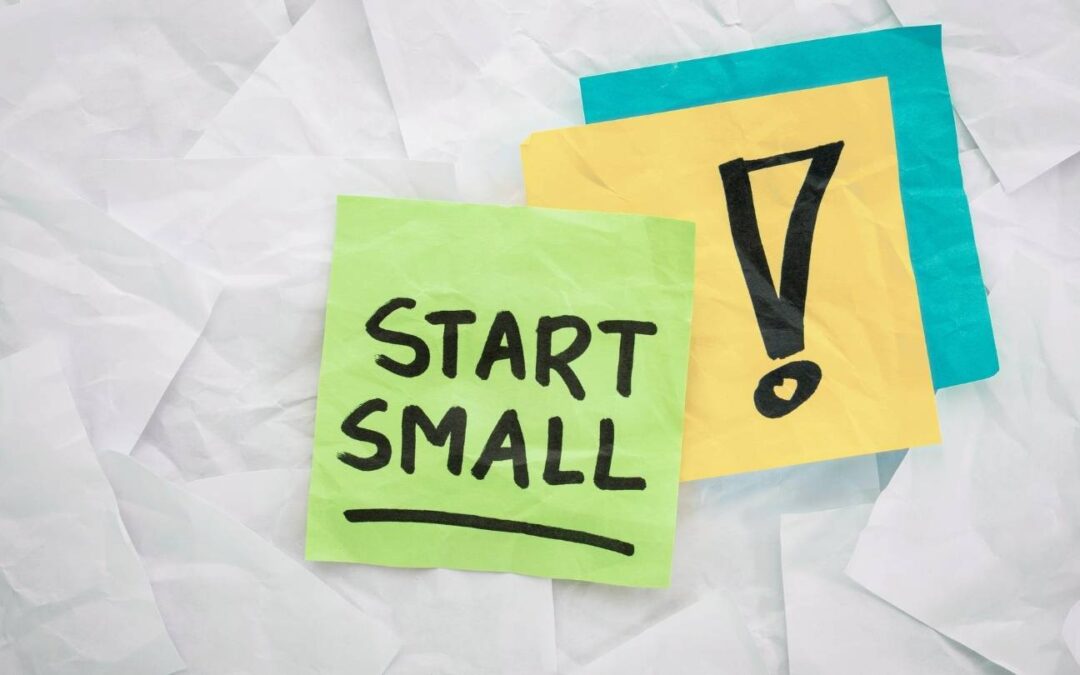
When your brain hesitates, the answer is not to push harder. It is to shrink the start.
Starting small works because it bypasses the emotional weight that big goals create. A small start does not mean giving up ambition. It means making the first step so simple that it feels doable even when motivation is low. Instead of writing an entire report, you open the file and type one sentence. Instead of cleaning the whole kitchen, you clear the counter. Instead of planning your entire week, you look at the next two hours.
Small starts work because of momentum. Action, no matter how small, creates a feedback loop that fuels more action. Once you begin, your brain switches from “I can’t” to “I’m doing,” and the chemistry follows. Dopamine increases. Focus sharpens. The wall that once felt impossible begins to crumble.
It is not just productivity advice. It is neuroscience. Each time you practice a small start, you strengthen the brain’s initiation pathway, making it easier next time. Over time, that skill generalizes. You become someone who starts, even when conditions are not perfect.
Using self-talk as a cue
Self-talk is not just background noise. It is part of your brain’s internal guidance system. It shapes what you notice, how you feel, and what you do next. When you use it intentionally, self-talk becomes a cue for action.
Imagine sitting at your desk, staring at a task you have avoided for days. You feel the hesitation build. Your first instinct might be to scold yourself: Why can’t I just start? That phrase signals failure before you have even begun.
What if your cue phrase were gentler and more supportive, something like Let’s begin or I’ll just get things set up.
Using your voice—quietly or internally—creates a gentle switch that signals “go.” You can pair your phrase with a small physical ritual such as opening your laptop, setting a timer, or taking a deep breath. The words and the action become linked, training your brain to recognize the pattern as the starting line.
A few examples of cue phrases include:
- “I’m starting now.”
- “One small step.”
- “Let’s just warm up.”
Simple phrases like these act as verbal handholds. They give your brain something to grab when it does not know how to move forward.
When self-talk turns against you
Most of us are not naturally kind in how we speak to ourselves.
When motivation dips, the inner voice often becomes critical. You might hear thoughts like You’re wasting time, You should have started earlier, or You’ll never catch up.
This kind of talk can sound like discipline, but it actually shuts down task initiation. Shame freezes the nervous system and makes the wall higher.
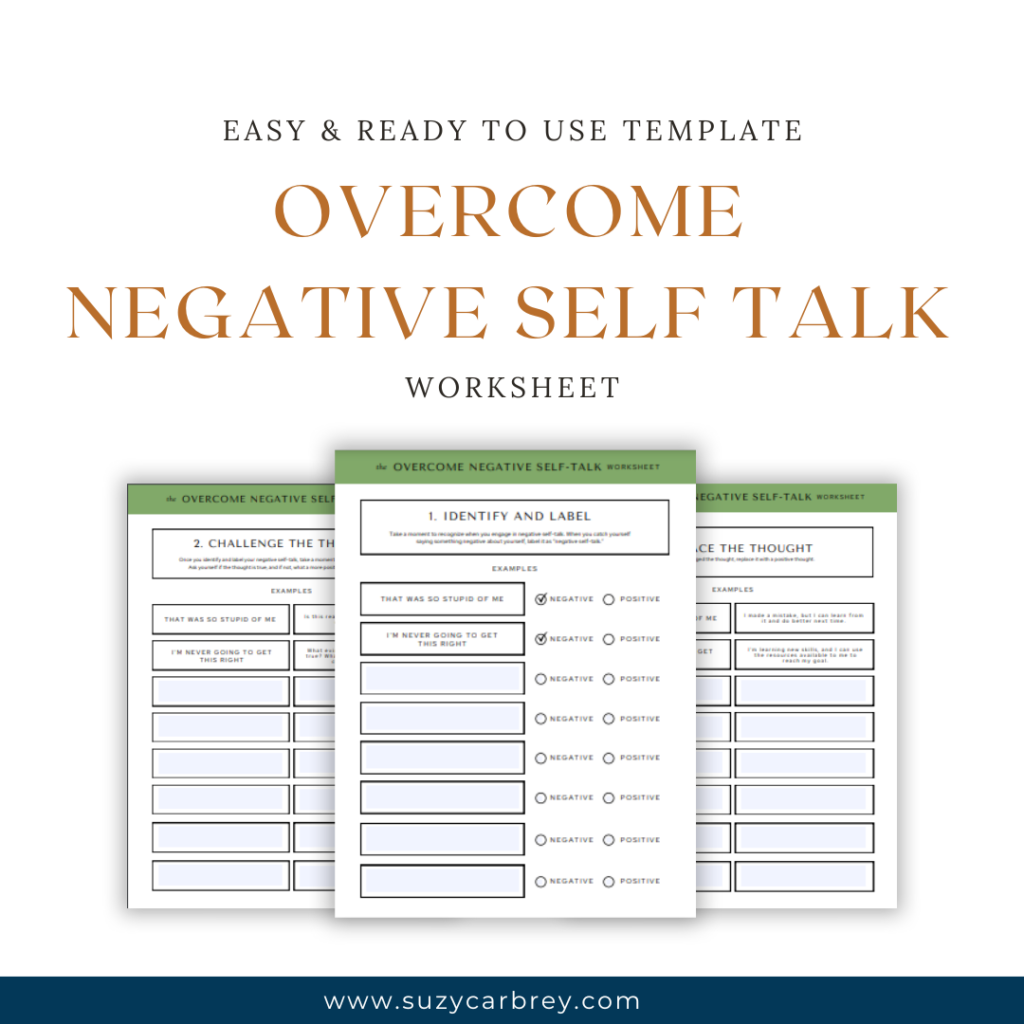
One of the most powerful skills for improving task initiation is learning to notice and reframe that inner voice. The goal is not to silence it, but to redirect it toward something more supportive and accurate.
Try this simple three-step approach:
1. Notice the tone
What are you saying to yourself right now? Does it sound like pressure, fear, or judgment?
2. Question its accuracy
Is the thought factual, or is it a feeling disguised as truth?
3. Reframe with compassion
Replace it with something that acknowledges effort or possibility instead of failure.
Examples:
Instead of “I’m so behind,” say “I can start from where I am.”
Instead of “This is too hard,” say “I’ll do the next small part.”
Instead of “I’m terrible at starting,” say “I’m learning to start.”
Reframing does not mean false positivity. It means choosing language that keeps you connected to your capacity to act.
Practicing initiation in everyday life
Practicing task initiation does not require turning your day into a rigid schedule. It simply means creating intentional moments where starting feels supported and familiar.

Morning activation:
Choose one consistent cue that begins your day. It might be making coffee, opening curtains, or turning on music. Let that cue signal that the day is starting.
Work transitions:
When you switch tasks, narrate the shift out loud or in your head. Phrases like I’m closing this tab and opening the next one bridge the gap and reduce friction.
Evening resets
Choose one small action that ends your day with closure. It might be clearing your workspace, jotting tomorrow’s priorities, or setting out clothes for morning. Small completion supports easier initiation tomorrow.
These micro-rituals are not about perfection. They are about rhythm. Each one teaches your brain that starting and stopping can feel calm and predictable instead of jarring.
Why talking yourself through it works
For many people, “self-talk” can sound too simple to matter. If you have been told for years to “just do it,” the idea of talking yourself through tasks may seem unhelpful. But language directly activates executive functioning networks in the brain.
When you narrate what you are doing—“I am opening my email,” “I will set a timer for five minutes,” “Next I will stand up and stretch”—you are creating a structure your brain can follow. It is like giving verbal directions to your own nervous system.
This is why body doubling or timers work so well. They externalize the mental steps that can otherwise feel fuzzy. Self-talk does the same thing internally. It is a form of inner scaffolding that keeps you connected to the task instead of the pressure.
Even short, neutral statements help. They regulate the emotional brain and make room for logic and planning to take over. You do not have to feel ready. You just have to cue yourself to begin.
From Cue to Practice
Think of initiation as a muscle. The more you practice it, the stronger it becomes. The key is low resistance and frequent repetition.
Start with one area of life where initiation tends to stall. It might be sending emails, exercising, or doing chores. Choose one micro-action you can repeat daily and one cue phrase that feels natural.
Each time you practice, notice what you say to yourself before, during, and after.
- Before: What thoughts help or hinder starting?
- During: How can you use your words to stay present?
- After: How can you give yourself credit instead of criticism?
Awareness alone begins to change the habit. Over time, you will recognize that self-talk is not a fixed script but a tool you can rewrite whenever you need to.
The Emotional Side of Starting
Many adults with ADHD describe a sudden emotional block right before they begin a task. You might feel tension, dread, or even panic. The emotion can feel far bigger than the task itself.
That feeling is real. It often comes from perfectionism or fear of failure. Reframing your self-talk can help here too. You do not have to make the feeling disappear to start. You only have to add a more supportive voice beside it.
Phrases like these can make a difference:
- “This feels hard, and I can start anyway.”
- “I do not have to like it to begin.”
- “It is okay to start messy.”
Naming the emotion separates you from it. The task becomes just a task, not a reflection of your worth.

When Motivation Runs Out
Motivation is not what keeps you going. What keeps you going is the ability to begin even when motivation is low.
If you wait to act until you feel motivated, you give your emotions all the power. If you rely on cues, routines, and compassionate self-talk, you create a consistent path forward even on low-energy days.
Examples:
On days you do not feel like exercising, say “I will just put on my shoes.”
On days you dread email, say “I will read one message.”
On days when everything feels heavy, say “I will set a five-minute timer.”
Each start is a small act of self-trust. You are proving that movement is possible, even when your brain insists otherwise.
Building an Identity Around Starting
The more you practice initiation, the more your self-image changes. You stop seeing yourself as someone who procrastinates and start seeing yourself as someone who begins. You start trusting your ability to take small, consistent actions that matter.
That identity shift is powerful because it reinforces itself. Every small start becomes evidence that you are capable. Every reframed thought becomes evidence that you are compassionate with yourself.
There will still be off days. Everyone has them. But when you have practiced using self-talk as a cue and learned to shrink the start, you have reliable tools that always work in your favor.
If You Only Remember One Thing
Starting rarely happens because you feel ready. It happens because you create the right conditions for action.
Remember these guiding principles:
- Keep your first step small enough to feel doable.
- Use kind, intentional self-talk to cue your brain.
- Reframe the inner criticism that shows up along the way.
- Celebrate the start, not only the finish.
That is how you turn “getting started” from a struggle into a practiced, repeatable skill.
Key Takeaways
- Task initiation is a skill, not a moral failure. You can strengthen it through practice.
- Small starts lower resistance. Breaking the beginning into micro-steps makes it easier to act.
- Self-talk shapes behavior. Use your words as gentle cues to begin and supportive reframes to continue.
- Compassion builds consistency. Progress grows when your inner voice is kind.
- You can start before you feel ready. Action often creates the motivation you were waiting for.
Learn more with Online Coaching for Executive Functioning / ADHD
Ready to gain control and enhance your executive functioning? As an experienced and compassionate coach, I specialize in providing support for executive functioning and ADHD. To embark on your journey, please reach out to me at 708-264-2899 or email hello@suzycarbrey.com to schedule a FREE 20-minute discovery call consultation.
With a background as a speech-language pathologist, I have a strong foundation in executive functioning coaching. My graduate degree program in SLP placed a significant emphasis on cognition, including executive functions, and I have years of experience in medical rehabilitation, providing cognitive-communication therapy. Additionally, I have completed an ADHD Services Provider certification program, I am Solutions-Focused Brief Therapy Diamond Level 1 certified and I am trained in the Seeing My Time® executive functioning curriculum.
Experience the convenience and effectiveness of online coaching, backed by studies that demonstrate equal results to in-person services. Parents, professionals, and emerging adults love the convenience and privacy of receiving coaching from their own homes.
Whether you reside in Chicago, Milwaukee, Indianapolis, Kansas City, or anywhere else around the globe, I am here to assist you. Schedule your discovery call consultation today, and I eagerly anticipate the opportunity to work with you!
Please note that although I am a certified speech-language pathologist, all services Suzy Carbrey LLC provides are strictly coaching and do not involve clinical evaluation or treatment services. If you require a formal speech therapy evaluation and treatment, please inform me, and I can provide appropriate recommendations.
Thank you
Your blog is a testament to your dedication to your craft. Your commitment to excellence is evident in every aspect of your writing. Thank you for being such a positive influence in the online community.
Thank you!
Your blog is a testament to your passion for your subject matter. Your enthusiasm is infectious, and it’s clear that you put your heart and soul into every post. Keep up the fantastic work!