
If you’ve ever found yourself thinking:
- “Why can’t I just stay consistent?”
- “Why do I start a routine and then suddenly can’t follow it anymore?”
- “Why do tools, planners, or systems eventually stop working for me?”
You are not alone, and nothing is wrong with you.
One of the most empowering shifts for adults with ADHD and executive functioning challenges is recognizing a simple truth:
Your brain isn’t wired for lifelong consistency with the same tools. It’s wired for intentional seasonality.
Humans change. Our energy changes. Our environment changes. Our responsibilities, capacity, stress levels, and bandwidth all change.
So does what works for your brain.
And when you learn to cycle through routines, systems, and tools intentionally, rather than seeing it as inconsistency or failure, everything gets easier:
Your routines feel more supportive.
Your systems stay fresh.
Your executive functioning gets stronger.
Your self-trust grows.
This is the seasonality of strategies and your brain is already doing it. This post helps you do it intentionally.
Why ADHD Brains Need Seasonality, Not Static Consistency
ADHD is not a disorder of knowing what to do.
It’s a disorder of state regulation, your brain’s ability to shift into the right mode at the right time.
That means your needs shift depending on:
- your nervous system state
- your sensory needs
- your emotional load
- your energy
- your environment
- your hormones
- your stress levels
- your sleep
- your season of life
So a strategy that works beautifully during a low-stress stretch may fall flat during a heavy month.
A planning system that feels motivating in winter might feel suffocating in summer.
A tool that makes sense on Monday might feel too complex by Thursday.

ADHD brains crave:
- novelty
- stimulation
- meaningful engagement
- flexibility
- spontaneity
- clear edges
- variety
Which means you aren’t meant to lock into one system forever.
You’re meant to move through systems the way seasons move through a year.
Not randomly.
Not reactively.
But intentionally, using clues, patterns, and self-awareness.
That intentionality is consistency.
The Myth of Consistency (and Why It Hurts ADHD Adults)
Most adults grow up with the message that consistency = doing the same thing every day, forever.
Same planner.
Same morning routine.
Same workflow.
Same habits.
Same tools.
Same expectations.
For ADHD adults, this becomes a source of shame:
- “I fall off after a few weeks.”
- “I keep changing systems.”
- “I can’t stick with anything.”
- “I must not be disciplined enough.”

But here’s what’s actually happening:
Your brain adapts.
When something becomes too familiar, it loses stimulation.
Your life shifts.
Your needs are different every month, season, and year.
Your energy fluctuates.
Your routines need to flex differently during low-energy stretches than high-energy ones.
Your executive functioning grows.
What worked at one stage of life may no longer be necessary or helpful.
Instead of thinking you lack consistency, consider this:
Maybe you’re trying to be consistent with the wrong thing.
ADHD-friendly consistency is not using the same plan every day.
It’s returning to intentional support again and again even if that support looks different each time.
The Five Layers of Seasonality: Daily, Weekly, Monthly, Yearly, and Lifetime Cycles
Strategies don’t just have seasons across a year.
They have seasons across layers of your life.
Let’s walk through the five layers your routines naturally cycle through and how to make each one work for your brain instead of against it.
1. Daily Seasonality: What You Need Depends on the Day
Your day has built-in micro-seasons.
Energy rises and falls.
Focus comes and goes.
Your sensory load fluctuates.
Your motivation changes based on context and task.
You may notice:
- Certain tools work better in the morning than afternoon.
- You need more structure early in the day, less later.
- Your nervous system may need grounding on some days and stimulation on others.
- Your task initiation supports might shift hour to hour.
Daily cycling is normal and supportive.
Examples of Daily Seasonality
- A time timer works in the morning, but music helps more in the evening.
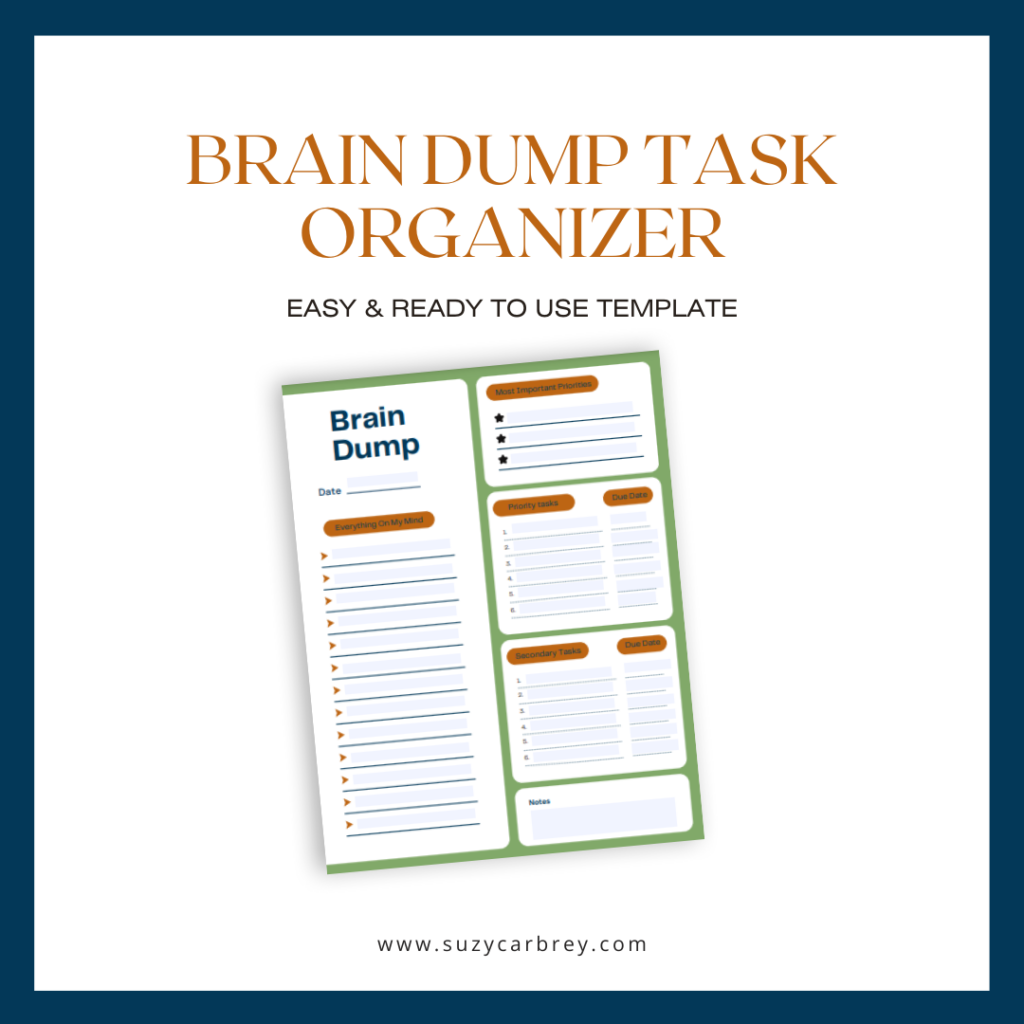
- You start with a structured priority list but shift to a brain dump mid-day when overloaded.
- You need body doubling on high-resistance tasks but can work independently on engaging ones.
- You use a 10-minute “warm-up task” on some mornings and a “just start with something easy” approach on others.
Signs You Need to Switch Daily Strategies
- You feel stuck or frozen.
- Your brain keeps drifting.
- Everything feels overwhelming.
- You’re procrastinating for no clear reason.
- Your nervous system feels “off.”
When this happens, the solution isn’t to push harder.
It’s to switch the strategy.
Daily seasonality is not inconsistency.
It’s mindful responsiveness.
2. Weekly Seasonality: Your Weeks Have Rhythms
Every week contains its own pattern:
- Workdays vs. weekends
- High-energy days vs. low-energy days
- Meeting-heavy days vs. focus days
- Social days vs. quiet days
ADHD adults often expect routines to fit every day of the week, but that’s rarely realistic.
Weekly Seasonality Sounds Like…
- A Monday reset that helps you orient.
- A Wednesday slump that requires gentler routines.
- A Thursday surge of motivation.
- A Friday shutdown craving rest.
- Weekends with looser structure.
How Weekly Strategy Cycling Helps
- You can plan high-load tasks for high-capacity days.
- You can build rest and transition days into your routine.
- You can use different planning structures depending on the day.
- You can avoid self-judgment when energy dips mid-week.
Signs You Need a Weekly Switch
- A system that worked yesterday suddenly feels impossible.
- Mid-week burnout
- Emotional reactivity
- The need for novelty or stimulation
- A craving for a different structure
3. Monthly Seasonality: Shifting Capacity Across the Month
Hormones, workload, weather, and overall life stress all create natural monthly cycles.
Many ADHD adults notice:
- Weeks of high motivation followed by weeks of low capacity
- Days of hyperfocus followed by “flat” days
- A week where planning clicks, then suddenly it doesn’t
- A monthly urge to overhaul your systems
This isn’t failure.
It’s a natural cycle.

Monthly Seasonality Might Look Like:
- Using a colorful planner one week and digital tools the next
- Switching from detailed task lists to simple “top three” strategies during busy weeks
- Needing more sleep during certain parts of the month
- Shifting from highly structured routines to more freeform ones
The Monthly Reset (This Is Powerful)
At the start of each month, ask:
- What has my energy been like?
- What routines helped?
- What felt too heavy or too rigid?
- What does this next month require of me?
This allows you to update your supports before burnout builds.
4. Yearly Seasonality: Different Seasons, Different Needs

Humans do not run on a 12-month uniform cycle.
Your energy, routines, and tools change across:
- winter vs summer
- school year vs holidays
- busy seasons vs slow seasons
- travel seasons vs home seasons
- different daylight levels
- different weather
- different stressors
Examples of Yearly Strategy Switching
- In summer, using voice notes instead of typing
- In winter, using visual calendars because time feels flatter
- During busy work seasons, using ultra-simple planning systems
- During quieter seasons, using more detailed tools
Signs You Need a Yearly Switch
- Burnout
- Overwhelm
- Restlessness
- Feeling boxed in
- Feeling “bored” with your systems
- Life circumstances changing
Your routines should update when the season does.
5. Lifetime Seasonality: Your Brain Evolves, and So Should Your Systems
What worked in college won’t work at 40.
What worked before kids may not work after becoming a parent.
What worked during early career might not make sense later.
Your executive functioning skills grow, stretch, adapt, compensate, and mature.
Expecting the same productivity systems to last forever is unrealistic.
Lifetime Seasonality Might Include:
- Shifting from hustle culture to sustainability
- Moving from complexity to simplicity as your life fills up
- Using different tools in different career phases
- Changing routines as your values change
- Evolving your self-talk as you build self-trust
Your systems should grow with you, not lock you into a version of yourself that no longer exists.
How to Know When It’s Time to Switch Strategies
Here are the most common internal “clues”:
Cognitive Clues
- You feel stuck
- You can’t access motivation
- The system feels too complicated
Sensory Clues
- Everything feels loud or irritating
- You feel understimulated or overstimulated
- You crave movement or calm
Emotional Clues
- Dread
- Resistance
- Annoyance
- Shame
- Feeling boxed in
Physical Clues
- Restlessness
- Brain fog
- Fatigue
- Tension
Behavioral Clues
- Procrastination
- Tool-hopping
- Overplanning
- Abandoning routines
When these show up, the solution is not to push through.
The solution is to shift.
This is not quitting.
It’s adapting.
How to Cycle Routines Without Feeling Chaotic
This is where intentionality matters.
Here is a simple way to cycle seasonally without feeling scattered or starting over every time.
Step 1: Identify Your Core Needs
Ask:
- What helps me focus?
- What keeps me calm?
- What makes tasks feel doable?
- What do I need visually?
- What do I need sensory-wise?
- What do I need emotionally?
Your needs stay consistent.
Your strategies supporting those needs can change.
Step 2: Have a “Strategy Menu” Instead of One System
A strategy menu is a list of tools you know work for you in certain seasons.
Examples:
For planning
- digital calendar
- weekly paper planner
- sticky-note dashboard
- whiteboard
For task initiation
- body doubling
- first step only
- music
- time timer
- countdown method
For energy regulation
- movement
- grounding
- warm drink
- cold splash
- co-regulation with someone
The goal is not to use all of them.
The goal is to have options so you can support yourself in different seasons.
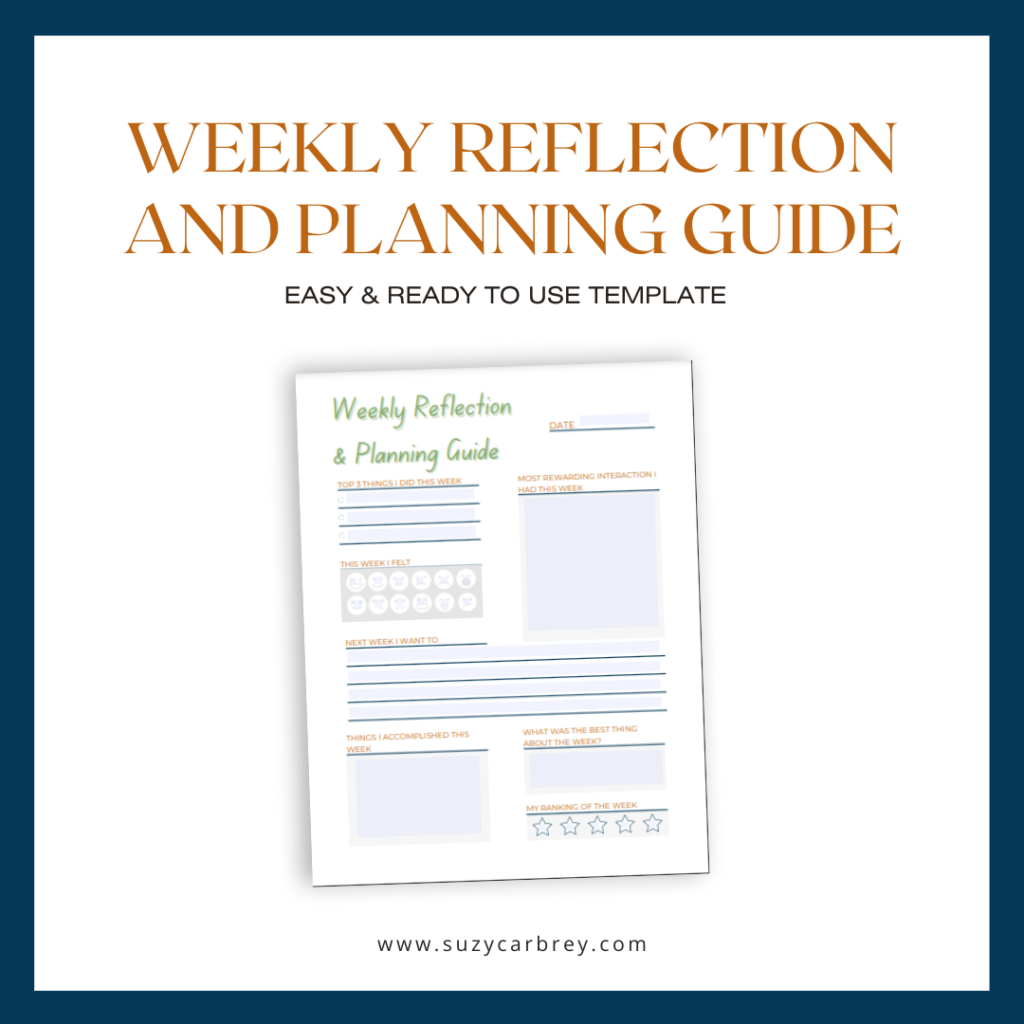
Step 3: Check In With Yourself Weekly or Monthly
Ask:
- What’s working?
- What’s not?
- What feels heavy?
- What feels stale?
- What season am I in right now?
Let your supports adjust accordingly.
Step 4: Keep Your Systems Simple on Purpose
The more complex the system, the more rigid it becomes.
You want systems that can evolve.
Simple = flexible.
Flexible = sustainable.
Sustainable = ADHD-friendly.
The Emotional Permission: You Don’t Have to Be Consistent the Way the World Says You Do
You do not need:
- the same morning routine forever
- the same tool forever
- the same strategy forever
- the same structure forever
You need:
- to support yourself intentionally
- to know how to switch strategies without shame
- to understand the clues your brain gives you
- to trust your own patterns
- to allow yourself to evolve
Seasonality is not inconsistency.
Seasonality is awareness, adaptability, and responsiveness.
And when you lean into seasonality on purpose, you finally get the consistency you’ve been trying to find:
the consistency of showing up for yourself, in the way that works for the season you’re in.
Key Takeaways
- ADHD brains crave novelty, flexibility, and variety. This is normal and healthy.
- You do not need to use the same tool or routine forever; your needs change.
- Daily, weekly, monthly, yearly, and lifetime seasons affect what strategies will work.
- Switching supports is not failure; it is responsiveness and self-awareness.
- Strategy cycling becomes powerful when it is intentional, not reactive.
- A “menu” of routines and tools helps you adjust without starting over.
- You can be consistent with supporting yourself, even if the tools change.
- Seasonality helps you avoid burnout, build self-trust, and stay aligned with your needs.
Learn more with Online Coaching for Executive Functioning / ADHD
Ready to gain control and enhance your executive functioning? As an experienced and compassionate coach, I specialize in providing support for executive functioning and ADHD. To embark on your journey, please reach out to me at 708-264-2899 or email hello@suzycarbrey.com to schedule a FREE 20-minute discovery call consultation.
With a background as a speech-language pathologist, I have a strong foundation in executive functioning coaching. My graduate degree program in SLP placed a significant emphasis on cognition, including executive functions, and I have years of experience in medical rehabilitation, providing cognitive-communication therapy. Additionally, I have completed an ADHD Services Provider certification program, I am Solutions-Focused Brief Therapy Diamond Level 1 certified and I am trained in the Seeing My Time® executive functioning curriculum.
Experience the convenience and effectiveness of online coaching, backed by studies that demonstrate equal results to in-person services. Parents, professionals, and emerging adults love the convenience and privacy of receiving coaching from their own homes.
Whether you reside in Chicago, Milwaukee, Indianapolis, Kansas City, or anywhere else around the globe, I am here to assist you. Schedule your discovery call consultation today, and I eagerly anticipate the opportunity to work with you!
Please note that although I am a certified speech-language pathologist, all services Suzy Carbrey LLC provides are strictly coaching and do not involve clinical evaluation or treatment services. If you require a formal speech therapy evaluation and treatment, please inform me, and I can provide appropriate recommendations.
Thank you
Your blog is a testament to your dedication to your craft. Your commitment to excellence is evident in every aspect of your writing. Thank you for being such a positive influence in the online community.
Thank you!
Your blog is a testament to your passion for your subject matter. Your enthusiasm is infectious, and it’s clear that you put your heart and soul into every post. Keep up the fantastic work!