The short version
Progress with ADHD often doesn’t produce anything you can point to. Catching an old pattern before it plays out, resting without guilt, going to the appointment anyway despite the pull to avoid it: none of that leaves a checkmark, so it’s easy to miss entirely. Real research on treatment for adult ADHD backs up that this kind of internal change is substantial, not just a consolation prize for people who didn’t finish their to-do list. Below: why the visible-marker habit misleads you, what actually counts, and a simple way to start noticing it.
Why doesn't progress feel like progress with ADHD?
Because most of what’s actually changing doesn’t happen at the level of a finished task, and finished tasks are the only thing most people are scanning for.
Accumulation over consistency, the idea that what matters is staying willing to keep adjusting rather than holding one system in place, applies to more than routines and planners. It applies to how you handle a hard moment. The win isn’t that your system stayed exactly the same this week. It’s that you noticed it stopped working and did something different, even in a small way, before it turned into a full collapse.

I’ve written before about the ADHD iceberg: the visible part is what other people see (the missed deadline, the messy kitchen, the late arrival), while the much larger part underneath is invisible (the effort it took to show up at all, the internal negotiating, the moments you caught yourself and adjusted). Most people, including you, are only measuring the tip. The actual movement is almost always happening underneath the water line.
What counts as progress if there's nothing to check off?
Catching an old pattern mid-way through and doing something different counts, even when nothing gets finished and nothing gets crossed off.
Some real examples of this kind of progress: you felt the pull to cancel an appointment out of avoidance and went anyway. You noticed yourself starting a shame spiral after a slip and interrupted it after ten minutes instead of three days. You said no to something instead of overcommitting the way you usually do. You rested on a low-capacity day and didn’t spend the whole time thinking about what you should be doing instead. None of these produce an artifact. All of them are the actual accumulation.
This isn’t just a reframe to make you feel better about an unproductive day. A 2026 prospective study on individual ADHD coaching, published in the American Journal of Lifestyle Medicine, found statistically significant improvements with medium-to-large effect sizes in ADHD symptoms, executive functioning, and functional impairment after a 12-session coaching engagement. Coaching works, in part, by helping people notice a pattern and choose something different in the moment: the exact kind of catch that doesn’t look like anything from the outside while it’s happening.
Does this mean finishing tasks doesn't matter?
No. Finishing a small piece of a task, three dishes instead of the whole sink, one paragraph instead of the whole report, still counts and still builds momentum.
Visible, task-based progress and invisible, pattern-based progress aren’t competing with each other. They’re both accumulation. The reason it’s worth separating them out is that most advice, and most of your own internal scorekeeping, only tracks the first kind. If you’re only counting finished tasks, a genuinely different, genuinely harder week can still feel like a failure, because the thing that actually changed never got written down anywhere.
Why is it hard to believe this actually counts as progress?
Because years of watching systems collapse tend to erode self-trust, and what’s left afterward is usually shame, not just disappointment, and shame doesn’t get resolved by more finished tasks.
Psychiatrist Edward Hallowell, who has treated adults with ADHD for decades and has ADHD himself, has said that shame, not distraction, is the most debilitating part of the condition. Shame is self-referential: “I am the problem,” rather than “that specific thing didn’t work.” It doesn’t get talked down by finishing another task, because finishing a task doesn’t argue with a belief about who you are. What does argue with it is evidence, collected on purpose, that the belief isn’t accurate.
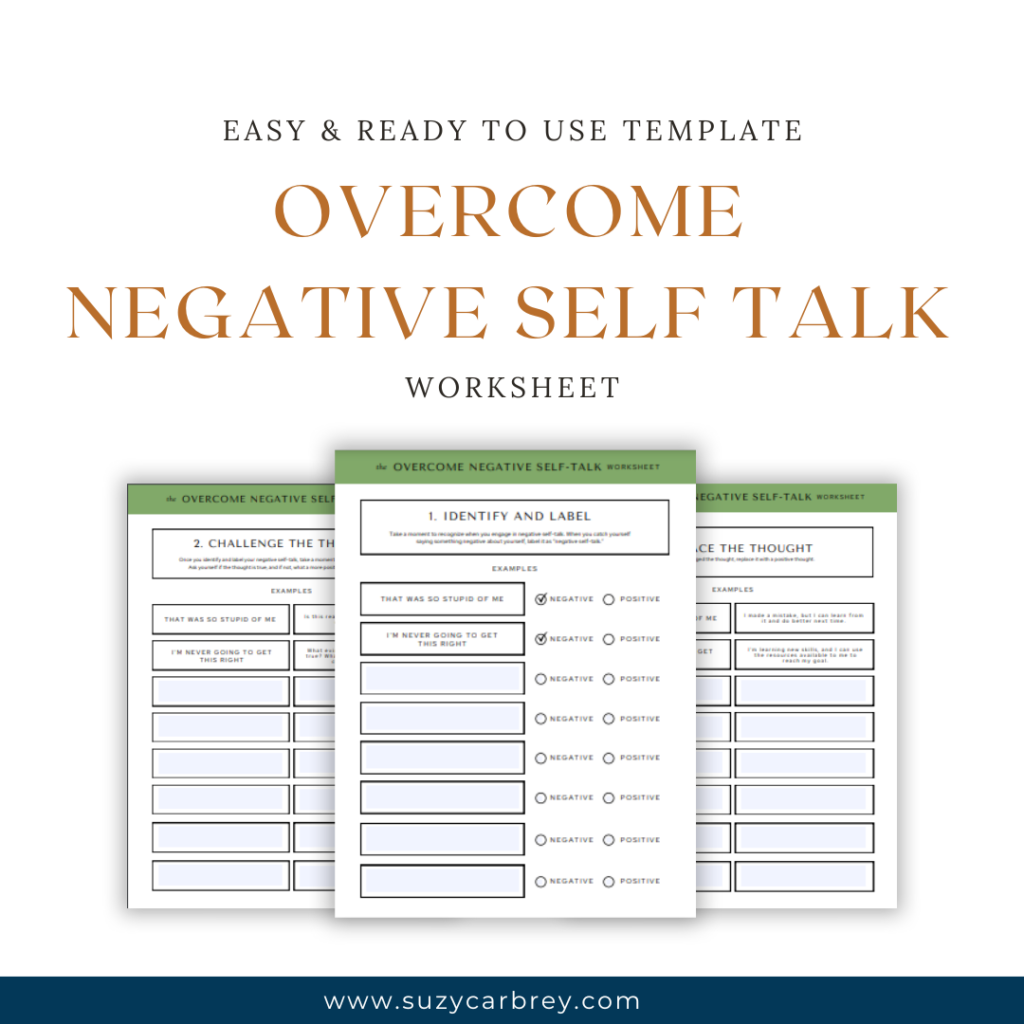
That’s the real function of writing an invisible win down instead of letting it pass. A win you don’t record can’t push back on “nothing ever changes.” A win you do record, even a single line, becomes a small, accumulating counter-argument to that belief, sitting right next to the belief where you can actually see it.
How do you notice progress that doesn't produce a visible marker?
Write it down at the end of the day, on purpose, the same way you’d note a finished task, even though nothing about it feels like it belongs on a list.
One line is enough: what did you do differently today than your old pattern would have done. Some days that’s a task. Some days it’s “I asked for help instead of white-knuckling it alone” or “I noticed I was spiraling and stopped.” Both belong on the same list.
A few concrete examples of what this looks like day to day: deciding a body-only day still counts as hygiene instead of writing off the whole day as a failure. Capturing a loose thought into a trusted list instead of finishing the task on the spot, and letting that be enough for now. Defining a smaller, specific version of “done” for something and actually stopping there instead of continuing to add “just one more thing.” None of these look like progress in the moment. All of them are the pattern actually changing underneath.
It’s worth watching for state, too, not just behavior. Often, the first sign of this kind of progress isn’t a new action at all. It’s that you feel less reactive walking into a hard conversation, or your body settles faster after a stressful morning, before any of that shows up as something you did differently. State changes tend to arrive before behavior does, so if you’re only watching for new behavior, you can miss the earliest evidence that something is already moving.
Once you’ve got a few weeks of these one-line entries, read back through them together instead of one at a time. A single entry can feel small enough to dismiss. A page of them is much harder to argue with, and patterns tend to show up in the reading back that were invisible while you were living through each individual day.
The bottom line
Progress with ADHD often doesn’t produce a visible marker, which is exactly why it’s so easy to feel like nothing is changing even when a great deal is. Catching an old pattern, resting without guilt, asking for help, defining a smaller done and actually stopping there: none of it gets checked off, and all of it is real, research-backed accumulation. Track it on purpose. It won’t count itself.
Try this
Tonight, write one line about something you did differently than your old pattern today, even if it didn’t finish anything and doesn’t look like progress. Keep it next to whatever task list you’re already using.
A few common questions
Why does progress with ADHD feel so slow?
Often because most of the actual change is happening at the level of internal pattern-catching rather than finished tasks, and finished tasks are the only thing most tracking systems measure.
What is the ADHD iceberg?
It’s a way of describing how the visible parts of ADHD (what other people see) are a small fraction of the invisible effort and internal negotiating happening underneath. Most progress happens below the surface. I’ve written a fuller breakdown of it here.
How do I track progress that isn’t task-based?
Add one line at the end of the day noting anything you did differently than your old pattern, alongside whatever tasks you did finish. Both belong on the same list. Reading back through a few weeks of entries together, not just one at a time, is where patterns tend to become visible.
Is this just a way of telling myself to think positive?
No. This is about collecting specific, factual evidence, a moment you actually caught yourself doing something differently, not a general mood boost. Shame responds to evidence, not encouragement, which is why writing down the specific thing matters more than trying to feel better about the day in general.
Does ADHD coaching actually help, or is it mostly talk?
Research supports it. A 2026 prospective study found that a 12-session individual ADHD coaching engagement produced statistically significant improvements with medium-to-large effect sizes in ADHD symptoms, executive functioning, and functional impairment.
Executive Functioning and ADHD Coaching
I'm an ADHD and executive function coach and a certified organizational specialist, trained in Solution-Focused Brief Therapy and the Seeing My Time executive functioning curriculum. For five years I worked as a speech-language pathologist in adult medical rehabilitation, providing cognitive communication therapy. That background is what I bring to coaching.
Coaching happens online, which most of my clients prefer for the convenience and the privacy. Wherever you are, we can work together.
All services provided by Suzy Carbrey LLC are coaching, not clinical evaluation or treatment. I am a licensed speech-language pathologist, and that background shapes how I coach, but coaching is not speech therapy. If you're looking for a formal evaluation or treatment, let me know and I can refer you to a qualified clinician.